Navigating wildlife issues in North Georgia requires more than just a ladder and a trap. Whether you are dealing with squirrels in the attic in Alpharetta or hearing the distinctive scratching of bats in a Johns Creek home, the situation involves a complex intersection of state law, federal regulations, and significant safety hazards.
At Southern Wildlife Management, we have spent over 15 years helping homeowners resolve these conflicts. As a family-owned business, we understand that your priority is protecting your property and your family. However, Georgia’s wildlife laws are strict, and the physical risks of handling wild animals are high. Attempting to manage these issues without professional licensing can lead to legal penalties, structural damage, and health complications.
Understanding Georgia Wildlife Laws and Licensing
In the State of Georgia, wildlife is considered a public resource managed by the Georgia Department of Natural Resources (DNR). This means that property owners do not have an unfettered right to trap or relocate animals at their discretion.
Wildlife Control Permits
To legally trap, transport, or release nuisance wildlife in Georgia, an individual must hold a valid Wildlife Control Permit. These permits are issued to professionals who have demonstrated knowledge of state regulations and humane handling procedures. Handling wildlife without these credentials can result in citations or fines.
Specific species, such as deer, bear, turkey, and migratory birds, are subject to even stricter protections. For example, bird removal often requires coordination with the U.S. Fish and Wildlife Service. When searching for “wildlife removal near me,” it is critical to ensure the company you hire is fully licensed and insured to operate in North Georgia.
The Legality of Relocation
One of the most common misconceptions is that any trapped animal can simply be moved to a “nice woods” elsewhere. Georgia law actually prohibits the relocation of many species without specific authorization. Relocating wildlife can spread diseases like rabies or distemper to new populations and often results in the death of the relocated animal, which is unable to find food or shelter in a strange territory. Southern Wildlife Management follows all state and federal guidelines to ensure that our methods are both legal and humane.
Protected Species: Bats and Honeybees
Some species carry a higher level of legal protection due to their ecological importance. In Georgia, bats and honeybees are two primary examples where “extermination” is not an option. We have aligned ourselves with some of the industries authorities such as Bat World Sanctuary to make sure our exclusion measures exceed expectations and we are also Bat Removal Certified with National Wildlife Control Operators Association (NWCOA).
Bat Removal and the Maternity Season
Bats are invaluable to our ecosystem because they consume massive amounts of insects. However, when they roost in your attic, they become a health and structural risk. When searching for “bat removal near me” in areas like Milton, timing is everything.
Georgia law (Georgia Dept of Natural Resources) mandates a “blackout period” for bat exclusion from April 1st through July 31st. During this window, young bats (pups) are unable to fly. If a professional seals the entry points during this time, the flightless pups will be trapped inside, leading to the death of the colony within your walls and a significant odor and sanitation issue.
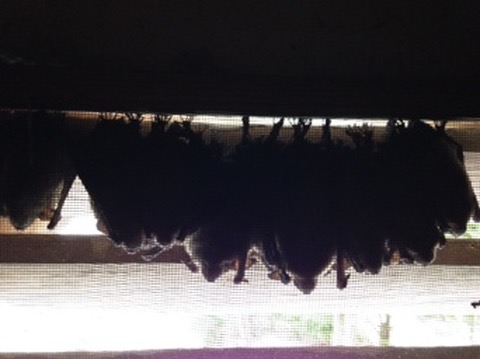
Southern Wildlife Management strictly adheres to these laws. Our bat exclusion process is designed to be humane and permanent. Because of our confidence in our structural work, we offer a 10-year warranty on bat exclusions, providing long-term peace of mind for homeowners in North Georgia.
Honeybee Hive Relocation
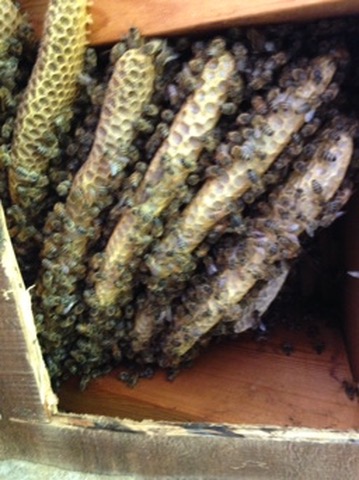
Honeybees are also protected and vital to our environment. We do not use “extermination” language or methods for honeybees. Instead, we focus on safe hive removal and relocation. Leaving a hive inside a structure: even if the bees are gone: can lead to melting wax and fermenting honey, which causes extensive damage to drywall and attracts other pests. Our team manages the removal of the hive and the subsequent exclusion of the area to prevent future swarms from moving in.
The Safety Risks of DIY Wildlife Handling
The physical risks associated with wildlife removal are often underestimated. Beyond the risk of bites or scratches, the hidden dangers in an attic or crawlspace are substantial.
Zoonotic Diseases and Parasites
Wildlife often carry diseases that can be transmitted to humans (zoonotic diseases).
- Rabies: Bats and raccoons are primary vectors for rabies in Georgia.
- Histoplasmosis: This is a respiratory fungus found in accumulated bat guano or bird droppings. When disturbed, spores become airborne and can be inhaled.
- Leptospirosis: Often spread through the urine of rodents like rats and squirrels.
Attic Hazards and Contamination
Attics are dangerous environments. Between extreme temperatures, exposed electrical wiring, and the risk of falling through the ceiling, they are not places for the untrained. Furthermore, wildlife will often chew on electrical wires, creating a significant fire hazard.
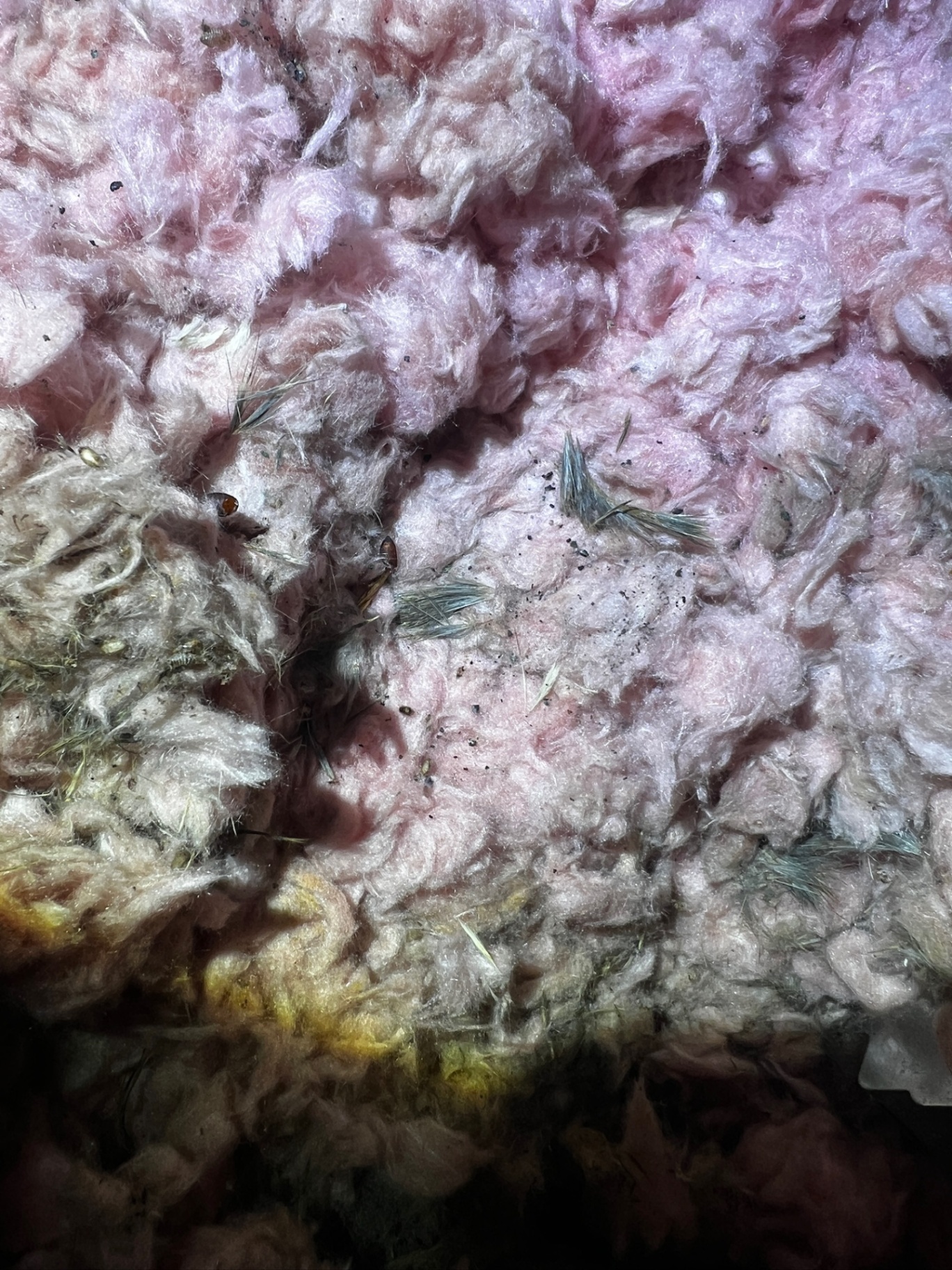
When animals nest in your insulation, they leave behind urine, feces, and parasites like fleas, ticks, and mites. Professional sanitization is often required to restore the health and safety of the home after the animals are gone.
The Professional Solution: Our Workflow
At Southern Wildlife Management, we don’t believe in “quick fixes.” We follow a rigorous, professional process developed over 15 years in the industry to ensure your wildlife problem is solved permanently.
1. Trapping and Removal
The first step is addressing the immediate presence of the animals. We use humane trapping methods to remove the target animals from the structure. This is a critical phase; if you seal the house before the animals are out, you trap them inside, causing them to chew through new areas of your home in a panic or die within the voids.
2. Comprehensive Inspection
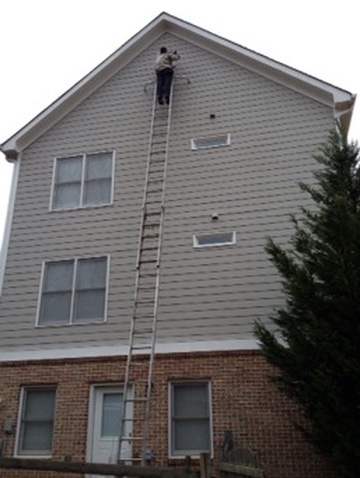
Once the trapping phase is underway, we perform a meticulous inspection of the entire structure. We look for entry points at the roofline, gable vents, soffit returns, and foundations. We identify not just where they are getting in now, but where they are likely to get in next.
3. Structural Exclusion
Exclusion is the process of “critter-proofing” your home using professional-grade materials. Unlike standard roofing materials, we use heavy-gauge metal screening and high-quality sealants that animals cannot chew through.
4. Warranty and Peace of Mind
We stand behind our work. While we do not provide exclusion for animals that do not enter structures (such as beavers), we offer a 5-year warranty on wildlife exclusion for the points we seal. For bat exclusions, this is extended to a 10-year warranty. This is our commitment to the quality of our craftsmanship and the safety of your home.
Why Professional Materials Matter
Many homeowners are surprised to learn that standard construction materials are often insufficient to keep wildlife out. For example, a standard “drip edge” installed by a roofing company frequently leaves a gap known as the “builder’s gap” at the roofline. Squirrels and rats can easily exploit this gap.
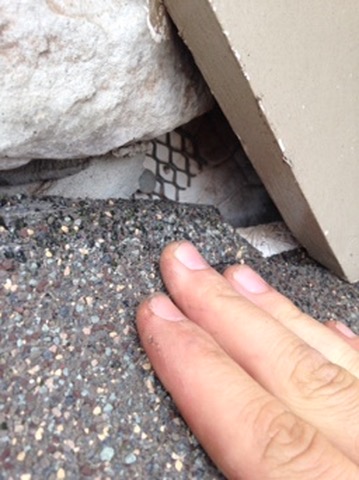
The above photo shows an improper exclusion attempt by either a homeowner or a competitive company. Our team fixed this area and used materials specifically designed for wildlife resistance and applied the material in a way which would prevent wildlife from gaining access. We focus on:
- Gable Vents: Installing heavy-duty mesh to cover the vents, typically one sheet instead of overlapping. Then we spray both sides of the metal for longevity and aesthetics.
- Soffit Returns: We custom bend metal to completely cover the soffit return and then spray the metal to blend.
- Construction Gap: This is the most popular area where critters get in. Not only do we hand-bend the metal to fit the exact gap but we cut it to size. This is above and beyond how many others handle the specific entry point. Many buy sticks of metal that are already bent. We have had to fix many jobs from lazy or sloppy work where the metal did not even cover the entire gap – which is pointless.
Prevention and Long-Term Management
While exclusion is the most effective way to keep animals out of your home, general property maintenance can reduce the “pressure” from local wildlife.
- Trim Trees: Keep branches at least 6 to 10 feet away from your roofline to limit EASIER access for squirrels and rats. But keep in mind they can scale up the side of a tree so your home is no problem.
- Manage Food Sources: Secure trash cans and avoid leaving pet food outside. Bird feeders should be positioned away from the house, as they attract rodents.
- Regular Inspections: Periodically walk around your home to look for loose shingles, rotted fascia boards, or gaps in the foundation.
For ongoing insect and bug management, we recommend our bi-monthly professional service through Southern Pest Management. We utilize Integrated Pest Management (IPM) to maintain a barrier around your home, reducing the insect populations that often attract larger predators like bats or raccoons.
When to Call a Professional
If you suspect wildlife has entered your home, the time to act is before the damage becomes extensive. Waiting can lead to saturated insulation, chewed wiring, and a more difficult exclusion process.
Attempting DIY wildlife removal is not only dangerous but often results in higher costs long-term when the animals inevitably return through an unsealed entry point. In Georgia, the legal and safety risks are simply too high to manage alone.
Southern Wildlife Management provides professional, licensed, and certified services across North Georgia, including: Alpharetta, Peachtree Corners, Johns Creek, Duluth, and Milton. Our 15+ years of experience and family-owned values ensure you receive honest assessments and permanent solutions.
Contact Southern Wildlife Management for a professional inspection and protect your home with our industry-leading exclusion warranties.
(678)935-5900