Alpharetta Mole Trapping & Mole Control Services
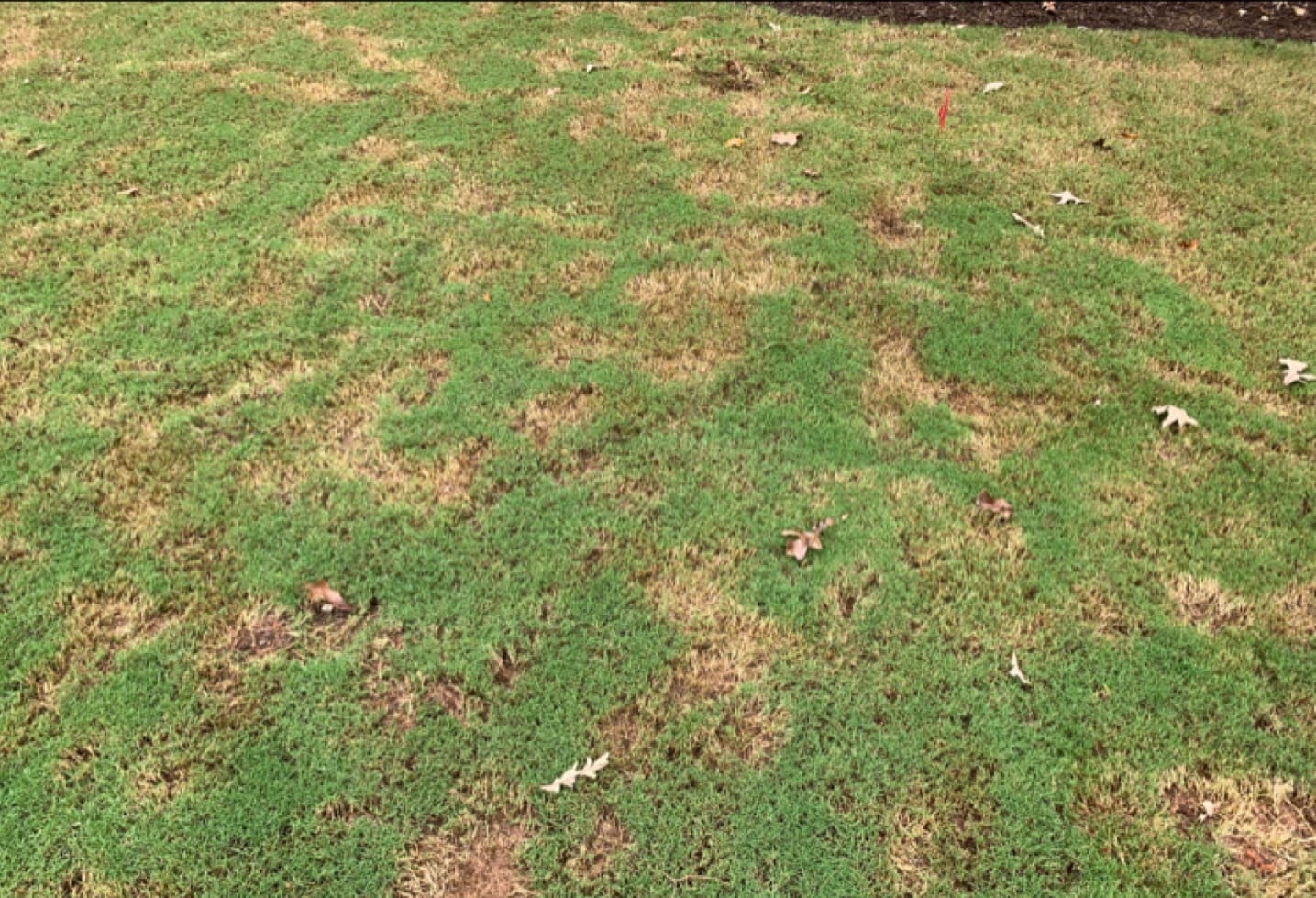
Raised tunnels, soft ground, and recurring lawn damage are strong indicators that moles are traveling just beneath the surface. When ridges continue to return after being pressed down or the yard feels unstable underfoot, surface fixes are not enough. That level of activity calls for Alpharetta Mole Trapping & Mole Control Services that focus on identifying and eliminating active tunnel systems rather than simply reacting to visible damage.
Homes throughout the area, especially those with irrigated lawns near Windward Parkway and within established subdivisions, frequently experience mole activity due to soil composition and moisture retention. This Mole Control program is built around real mole behavior. Professional Mole Trapping is the core of the service, supported by Strategic Mole Baiting and Tunnel Gassing only when soil and tunnel conditions are appropriate. The objective is to remove the active mole causing the damage, not temporarily disrupt surface tunneling.
How the Mole Control Process Works…
Moles do not use the same tunnels daily. Once pressure is applied, they often redirect movement and establish new travel routes nearby. Effective Mole Control begins by determining which tunnels are actively being used and which are inactive.
Each property is evaluated to identify primary runways, feeding tunnels, and travel corridors. Soil type, tunnel depth, moisture levels, and recent activity patterns all influence how control methods are selected. This allows Mole Trapping, Mole Baiting, or Tunnel Gassing to be applied where they are most effective rather than relying on surface appearance alone.
Depending on site conditions, the service may include Professional Mole Trapping placed in confirmed active runways, Strategic Mole Baiting within high-traffic tunnel systems, Tunnel Gassing when conditions are suitable, and follow-up visits to monitor activity and adjust placement as movement shifts.
Tunnel Gassing is not appropriate for every property. When conditions are not favorable, Mole Trapping and Mole Baiting remain the primary and most dependable control methods.
Our All-Inclusive Alpharetta Mole Control Program — 4 Visits Over 3 Weeks
Moles are solitary and territorial, but surface tunneling patterns can shift within days. Addressing a single visible area rarely resolves the issue, especially in larger yards or properties bordering wooded buffers and greenways.
This Mole Trapping program is structured across four visits to allow time to locate active systems, observe changes in movement, and reposition traps as new tunnels appear. Multiple visits are necessary because mole activity often relocates once control efforts begin.
The program typically includes an initial inspection with targeted placement of traps and bait, monitoring to confirm active tunnel use, repositioning traps as travel routes shift, and a final inspection with equipment removal. This approach focuses on removing active moles rather than flattening tunnels that quickly return.
Why Mole Activity Is Common in Alpharetta
Moles thrive in soil that retains moisture and supports earthworm populations. Well-maintained lawns, irrigation systems, and the mixed clay soils common throughout this area create ideal tunneling conditions. Properties near wooded corridors, creek buffers, golf courses, and established neighborhoods such as Windward, White Columns, and Crooked Creek often experience recurring mole activity because food sources remain consistent.
Mole presence is driven by soil structure and moisture levels, not proximity to roads, shopping areas, or the age of the home.
Signs You Have Moles in the Yard
Common signs of mole activity include raised surface tunnels running through grassy areas, soft or spongy turf, long ridges crossing the lawn, disturbed mulch beds, and unstable soil patches. These tunnels typically follow active travel routes just below the soil line and may change location as moles forage.
What Mole Control Does — and Does Not — Do
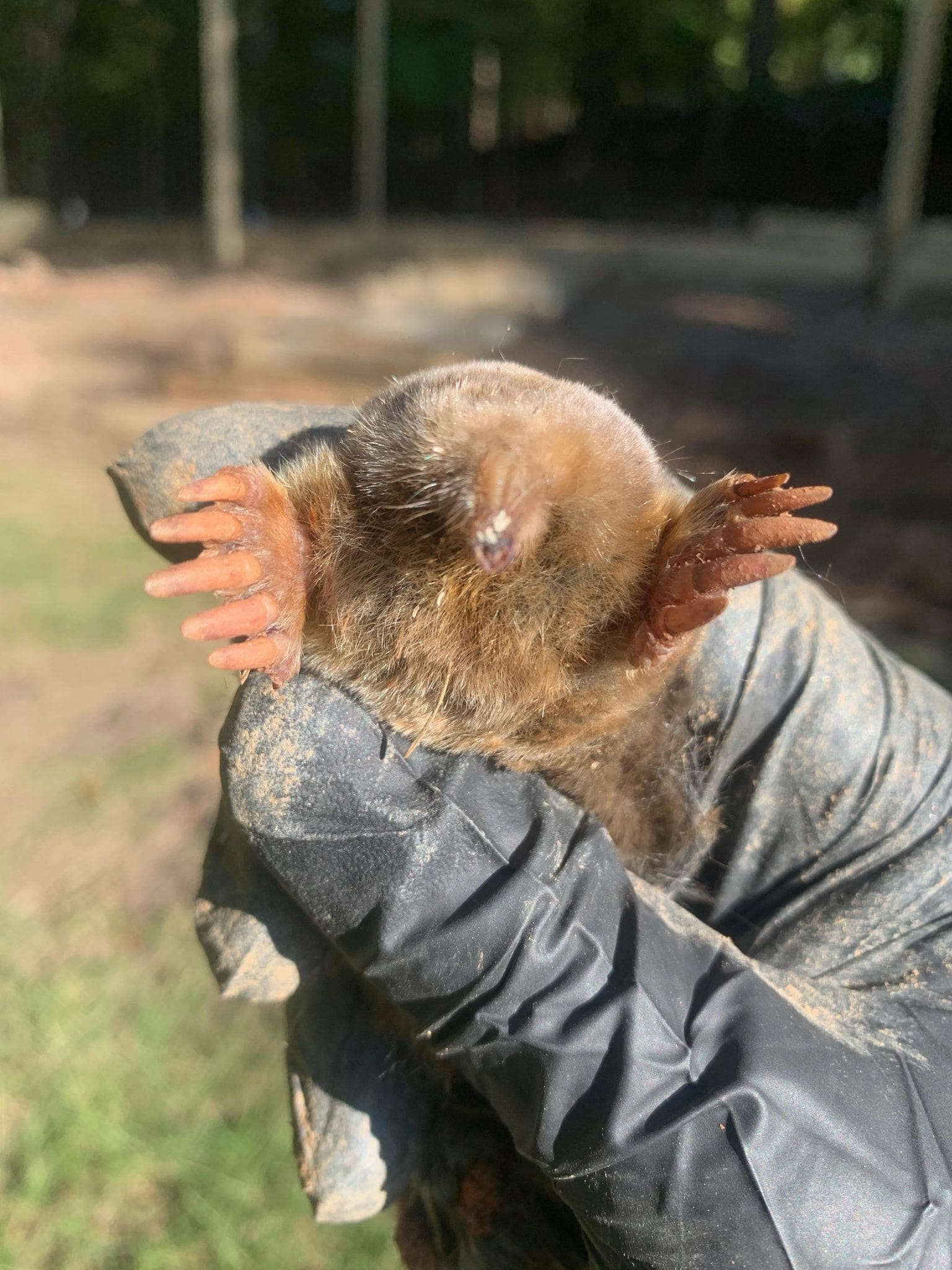
Mole Trapping and Mole Control remove active moles currently present in the yard. Because moles travel underground across open landscapes, there is no permanent exclusion method. Mole Control stabilizes lawn conditions by eliminating current activity during the service window. Future mole presence depends on surrounding soil conditions, moisture levels, and nearby properties.
Mole Trapping You Can Rely On
When tunneling damage continues or lawns feel unstable, a structured Mole Trapping and Mole Control program is the most direct solution. This all-inclusive approach is designed for local soil conditions and focuses on removing the active mole causing the damage using methods that align with real tunneling behavior.
Call or text to schedule Mole Trapping and Mole Control Services and stop lawn damage at the source.
Frequently Asked Questions:
Q) What kind of moles are most common in Alpharetta, GA?
A) The Eastern mole is the primary mole species in Alpharetta. They live underground and create raised surface tunnels while hunting for earthworms and insects.
Q) How can I tell if I have moles and not voles or gophers?
A) Moles leave raised “ridges” and volcano-shaped soil mounds. Voles leave open holes and chew vegetation. Gophers are not common here and typically leave different mound patterns.
Q) What are the first signs of a mole problem in my yard?
A) New raised tunnels, soft/spongy turf, fresh mounds near beds or fence lines, and sudden ridges appearing after rain or irrigation are the most common signs.
Q) Why do mole tunnels show up more after rain or watering?
A) Moist soil is easier to dig, and it often drives food activity closer to the surface, which increases visible tunneling.
Q) Do moles eat grubs in Alpharetta lawns?
A) They may eat some insects, but Eastern moles primarily feed on earthworms. Grub treatments alone rarely eliminate a mole problem.
Q) Will treating for grubs get rid of moles permanently?
A) No. Even if grubs are reduced, earthworms remain and moles can stay active. Eliminating the active mole is what stops the tunnels.
Q) What’s the fastest way to stop mole damage?
A) Professional mole trapping in active primary runs is the fastest and most reliable way to stop ongoing tunneling.
Q) What is “mole control” really, and how is it different from trapping?
A) Mole control is the overall strategy to stop damage. Trapping is the main tool used within mole control because repellents and gimmicks are inconsistent.
Q) How long does professional mole trapping usually take in Alpharetta?
A) Most jobs run about one week, depending on how many active tunnel systems are present and how conditions change with weather and watering.
Q) How many moles could be in one yard?
A) Often one or two moles cause extensive damage. A single Eastern mole can create a surprising amount of tunneling.
Q) Do moles actually kill my grass or plants?
A) Moles don’t typically eat roots, but tunneling can disturb root zones, dry out turf, and leave uneven ground that stresses grass and landscaping.
Q) Do sonic stakes, castor oil, or mole repellents work?
A) Results are inconsistent and usually temporary. If you want lasting results, trapping is the proven approach.
Q) Can I trap a mole myself with a store-bought trap?
A) You can try, but most DIY failures come from placing traps in secondary runs or inactive tunnels. Correct placement in a primary run is everything.
Q) What time of year are moles most active in Alpharetta?
A) Eastern moles are active year-round. You often see more surface tunneling during wetter periods and when soil conditions are favorable.
Q) What happens if I ignore mole tunnels?
A) Tunnel systems usually expand, lawns become more uneven and spongy, turf weakens, and repair costs go up over time.